


If you’re weighing up Invisalign® as an adult, the question probably isn’t whether it works, it’s whether it’s worth it for you specifically. Straightening your teeth in your thirties, forties or fifties comes with different considerations than it did as a teenager. You’re paying for it yourself, you may have a job where a mouthful of metal feels awkward in meetings, and you want to know the day-to-day reality before committing months of your life to it.
This guide walks through the genuine pros and cons of Invisalign® for adults, what it costs, how long it takes, and how to tell if your case is a good fit so that you can make the call with the full picture.
What Invisalign® Actually is?
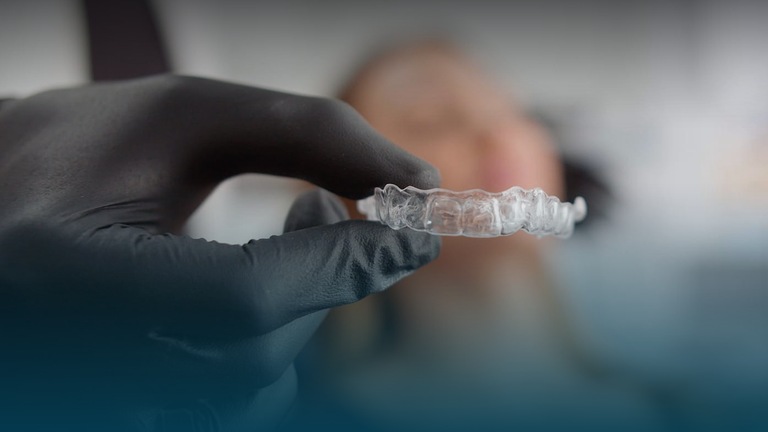
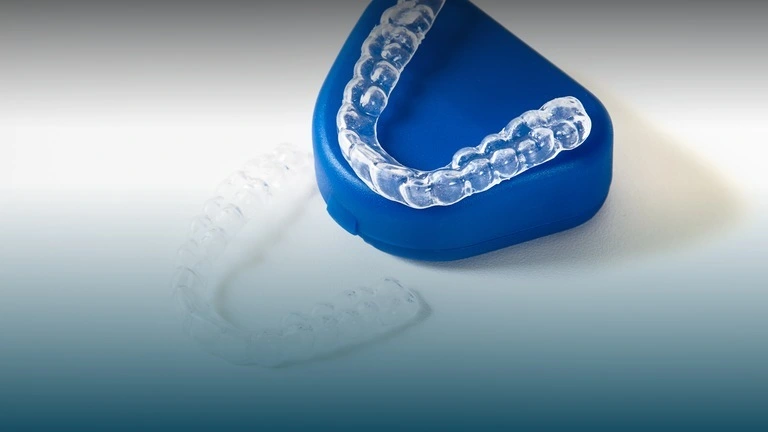
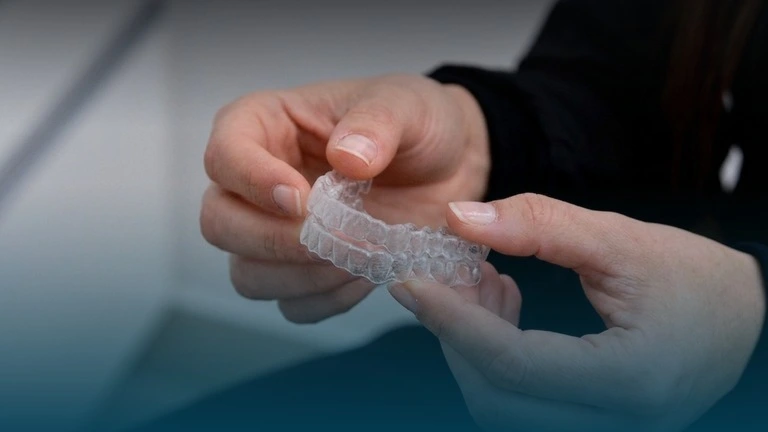
Invisalign® uses a series of custom-made, clear plastic aligners to gradually move your teeth into place. Instead of wires and brackets, you get a new set of smooth, medical-grade trays every one to two weeks, each one nudging your teeth slightly closer to the final position.
The process usually starts with a digital scan rather than the old-fashioned putty impressions. At W Dental, for example, an iTero 3D scanner maps your teeth in minutes, and that scan is used to generate a simulation of what your finished smile should look like before you commit to treatment.
Seeing the projected result upfront is one of the bigger differences between getting Invisalign® now versus a decade ago, when patients had far less visibility into the process before starting.
The Honest Pros of Invisalign® for Adults
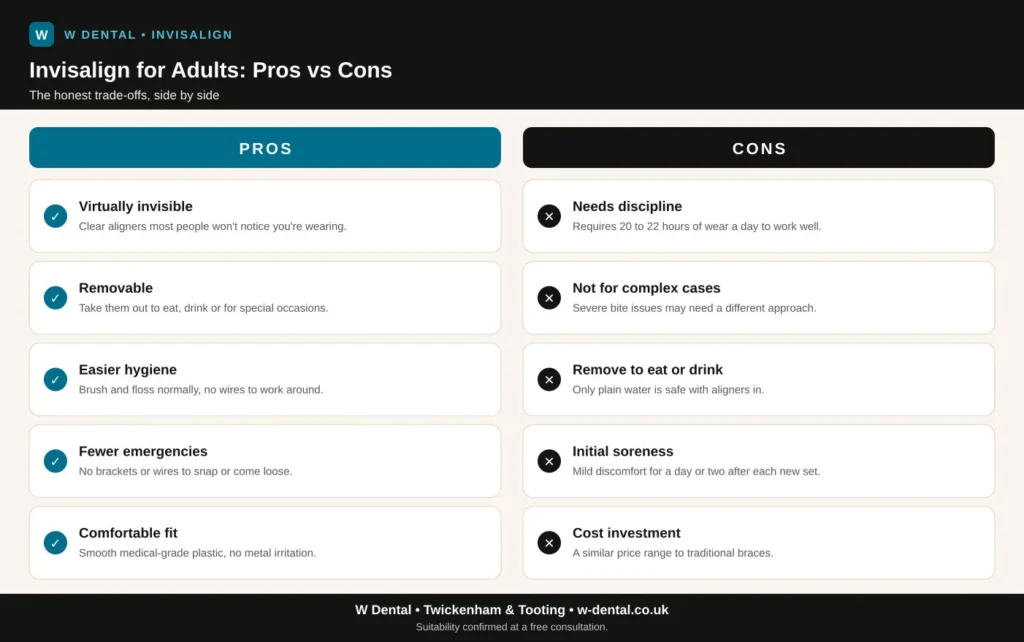
They’re genuinely discreet
This is the reason most adults consider Invisalign® over metal braces in the first place. The aligners are clear and fit snugly over your teeth, so people often don’t notice you’re wearing them at all.
You can take them out
For meals, presentations, or a hangout, the aligners come off. That also means no food restrictions the way there sometimes are with fixed braces.
Cleaning your teeth stays simple
Since there are no wires or brackets to navigate, you brush and floss as normal. Some research even suggests this can support better gum health during treatment, simply because plaque has fewer places to hide.
Fewer emergency appointments
Broken brackets and poking wires are a common reason people end up in an emergency dental chair. Aligners remove that particular problem, since there’s nothing to snap or come loose.
Comfortable and smooth material
Because there’s no metal, there’s little cheek and gum irritation that traditional braces can cause.
The Honest Cons of Invisalign® for Adults
It only works if you wear it
Aligners need 20 to 22 hours a day to move your teeth as planned. If you know you’ll be tempted to leave them out during a busy week, results will slow down or stall, and your treatment will simply take longer than planned.
Not always the right fit for complex cases
Invisalign® handles mild to moderate crowding, spacing, and certain bite issues, such as overbites, underbites, and crossbites, well. More complex bite problems may need a different approach, which is why a proper assessment matters the most.
Remove them to eat or drink anything but water
Tea, coffee, and fizzy drinks can stain or warp the plastic, so they come out first, then it’s a quick brush or rinse before they go back in. It’s a small habit change, but one worth knowing about before you start
Some initial discomfort is normal
Switching to a new set of aligners can bring mild pressure or soreness for a day or two. That’s usually a sign your teeth are moving as expected, not a red flag, and it tends to ease as you get further into treatment.
Cost is a genuine consideration
Invisalign tends to sit in a similar price range to traditional braces, and it’s an investment you’ll want to plan for rather than decide on impulse.
Comparing Invisalign® to Traditional Braces
| Factor | Invisalign® | Traditional Braces |
| Visibility | Clear, hard to notice in conversation | Metal brackets and wires, clearly visible |
| Removable | Yes, take out to eat, drink, or clean | No, fixed in place for the full treatment |
| Food restrictions | None, aligners come out before eating | Avoid hard, sticky, and chewy foods |
| Oral hygiene | Brush and floss as normal | Requires extra care around brackets and wires |
| Comfort | Smooth plastic, mild pressure per new tray | Wire ends can rub cheeks and gums |
| Check-in visits | Less frequent, sometimes remote check-ins | Regular in-person adjustments needed |
| Typical treatment time | 6 to 18 months for mild to moderate cases | Often 18 to 24 months, varies by case |
| Best suited for | Mild to moderate crowding, spacing, or bite issues | Mild to more complex or severe cases |
| Discipline required | High, needs 20 to 22 hours of wear a day | Low, there’s no removing them to forget |
Neither option is universally “better”, it depends on how complex your case is, how much visibility bothers you, and whether you’d rather manage removable aligners or not think about it at all once braces are fitted. Traditional braces can handle a wider range of complexity, including cases Invisalign® isn’t suited for, while Invisalign® tends to win on comfort and discretion for the cases it does treat well.
How Long Does it Take, and What Does it Cost?
Most Invisalign® treatments take somewhere between 6 and 18 months, depending on how much movement your teeth need. Straightforward crowding cases tend to sit at the shorter end; bite corrections usually take longer, and your dentist should be able to give you a realistic estimate after your scan rather than a generic range.
On cost, at W Dental, pricing currently starts as follows:
- Invisalign® consultation: free (welcome offer)
- 32Co Aligners: from £1,500
- Invisalign® (Full): from £2,800
0% finance is available on treatments over £500, which makes it easier to spread the cost rather than pay it all upfront. Exact pricing depends on your case, so it’s worth getting an assessment rather than budgeting from a headline figure alone.
So, is Invisalign® Worth it for You?
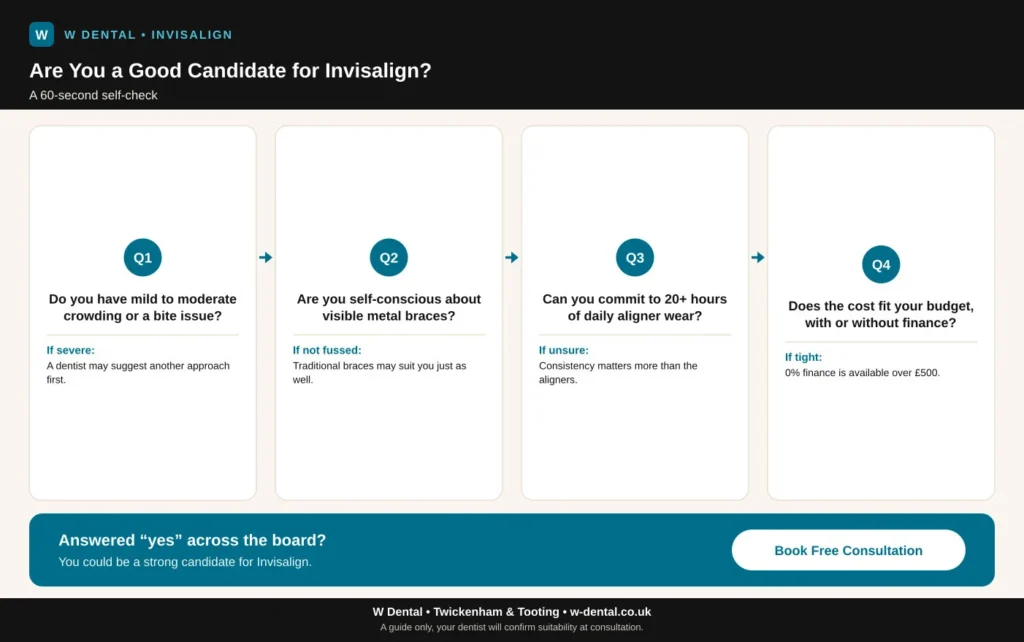
It comes down to a few honest questions:
- Do you have mild to moderate crowding, gaps, or a bite issue, rather than a complex case?
- Are you self-conscious about visible braces?
- Can you commit to wearing aligners for most of the day, most days, for months at a time?
- Does the cost fit your budget, with or without a finance plan?
If you answered yes to most of these, Invisalign® is likely to be worth it for you. If your case is more complex, or you know your routine won’t support 20-plus hours of daily wear, it’s worth discussing alternatives with a dentist before you commit either way. A short consultation will tell you far more than any amount of online research.
FAQs
Is Invisalign® as effective as metal braces?
For mild to moderate cases, research suggests Invisalign® performs well. For more complex bite or alignment issues, a dentist may recommend an alternative, since outcomes vary by case.
Does Invisalign® hurt?
It shouldn’t be painful, though mild pressure or soreness for a day or two after switching aligners is normal and usually settles quickly.
Can adults of any age use Invisalign®?
Yes. Some research even suggests tooth movement may be slightly faster between ages 35 and 50, so age alone isn’t a barrier for most adults.
Will people notice I’m wearing aligners?
Unless someone looks closely, most people won’t notice. Many patients go through treatment without colleagues realising at all.
What happens if I don’t wear my aligners enough?
Progress slows, or stalls, and your treatment timeline extends. Consistency matters more than any other single factor in how well Invisalign® works.
 Recent Blogs
 Book Your Visit